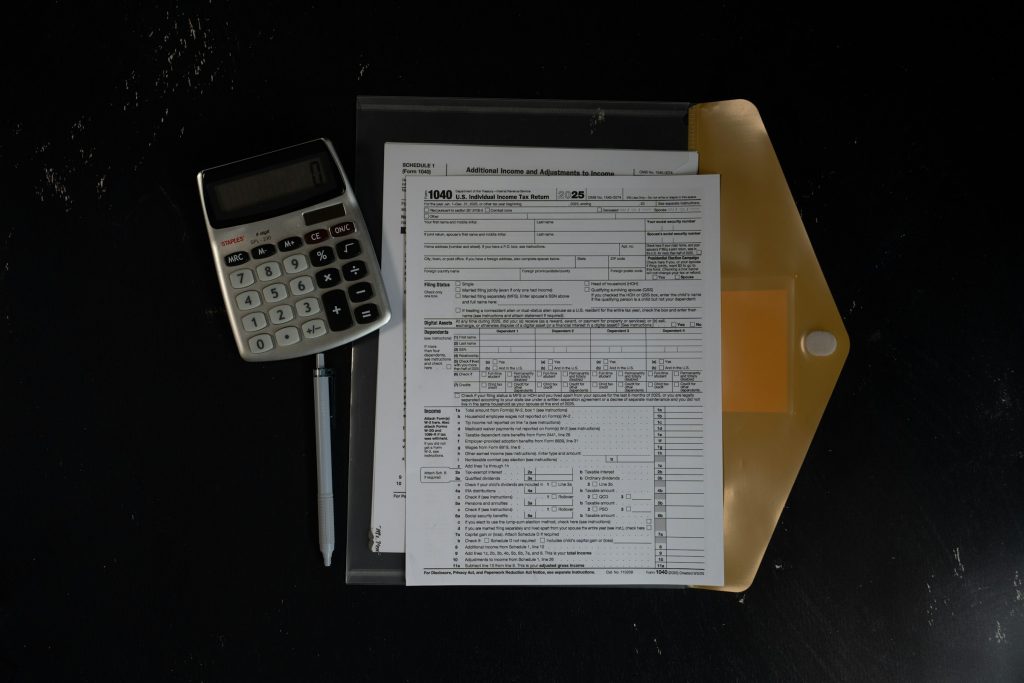
Business Expenses for UK Companies — What Can You Claim? 2026 Guide
For an Arab entrepreneur running a UK Limited Company, knowing which expenses are “Tax Deductible” is the single most effective way to legally reduce your Corporation Tax bill. The golden rule from HMRC is that an expense must be incurred “wholly and exclusively” for the purpose of the business. In 2026, as digital tools and remote work become the norm, the list of allowable expenses has evolved to include global digital infrastructure.
In this guide from Eteform.com, we highlight what you can claim to protect your profits.
Common Tax-Deductible Expenses in 2026
- Marketing & Advertising: This is usually the largest expense for e-commerce and SaaS. You can claim 100% of your spend on Meta Ads, Google Ads, SEO services, and influencer marketing.
- Software & Tools: Subscriptions for Shopify, ChatGPT Plus, Canva, Slack, Zoom, and any hosting services like AWS or DigitalOcean.
- Professional Fees: The cost of incorporating your company with Eteform, your annual accounting fees, and legal advice.
- Registered Office & Mail: The fees you pay for your UK registered address and mail forwarding services.
- Bank Fees: Transaction fees from Wise, Stripe, and currency conversion costs.
Travel and Subsistence (The Rules)
If you travel for a specific business purpose (e.g., meeting a supplier in China or attending a tech conference in London), you can claim:
- Flight tickets and local transport (Uber/Train).
- Hotel accommodation.
- Reasonable meals while away from your normal place of work.
Home Office Expenses for Remote Founders
If you work from your home in Egypt or Saudi Arabia, your UK company can pay you a “Home Office Allowance” to cover a portion of your electricity, internet, and rent. This is a very tax-efficient way to move money from the company to your personal pocket.
How to Record Your Expenses (How-To)
Step 1: Keep Every Receipt
In 2026, a digital photo of the receipt is sufficient. Use apps like Hubdoc or Dext to sync them automatically with your accounting software.
Step 2: Match with Bank Statements
Ensure every expense in your Wise Business account has a corresponding invoice or receipt.
Step 3: Categorize Correctly
Work with your accountant to ensure items are categorized properly (e.g., “Software” vs. “Capital Equipment”) to maximize tax relief.
Table: Allowable vs. Non-Allowable Expenses
| Expense Category | Allowable? | Note |
|---|---|---|
| Laptop for Business | ✅ Yes | Claimed as “Capital Allowance” |
| Client Entertainment | ❌ No | HMRC generally does not allow meals with clients |
| Staff Training | ✅ Yes | If it’s related to the business activity |
| Fines & Penalties | ❌ No | You cannot deduct HMRC or parking fines |
Frequently Asked Questions (FAQ)
A: It is complex for non-residents. It is usually better to claim “Mileage” if you use your personal car for a specific business trip.
Q: What if I lost a receipt?
A: For small amounts, a bank statement might suffice, but for large purchases, HMRC strictly requires an itemized invoice.
Q: Do I need to translate receipts into English?
A: Your accountant needs to understand the nature of the expense. A summary in English is usually enough for the annual accounts.
Conclusion: Every Pound Saved is a Pound Earned
By being disciplined with your expense tracking, you ensure your company is only paying the tax it truly owes. Start using professional tools today to make this process effortless.
Want to know if a specific expense is claimable? Consult Eteform.com’s Tax Experts via WhatsApp.